A competition aimed at technology maturation
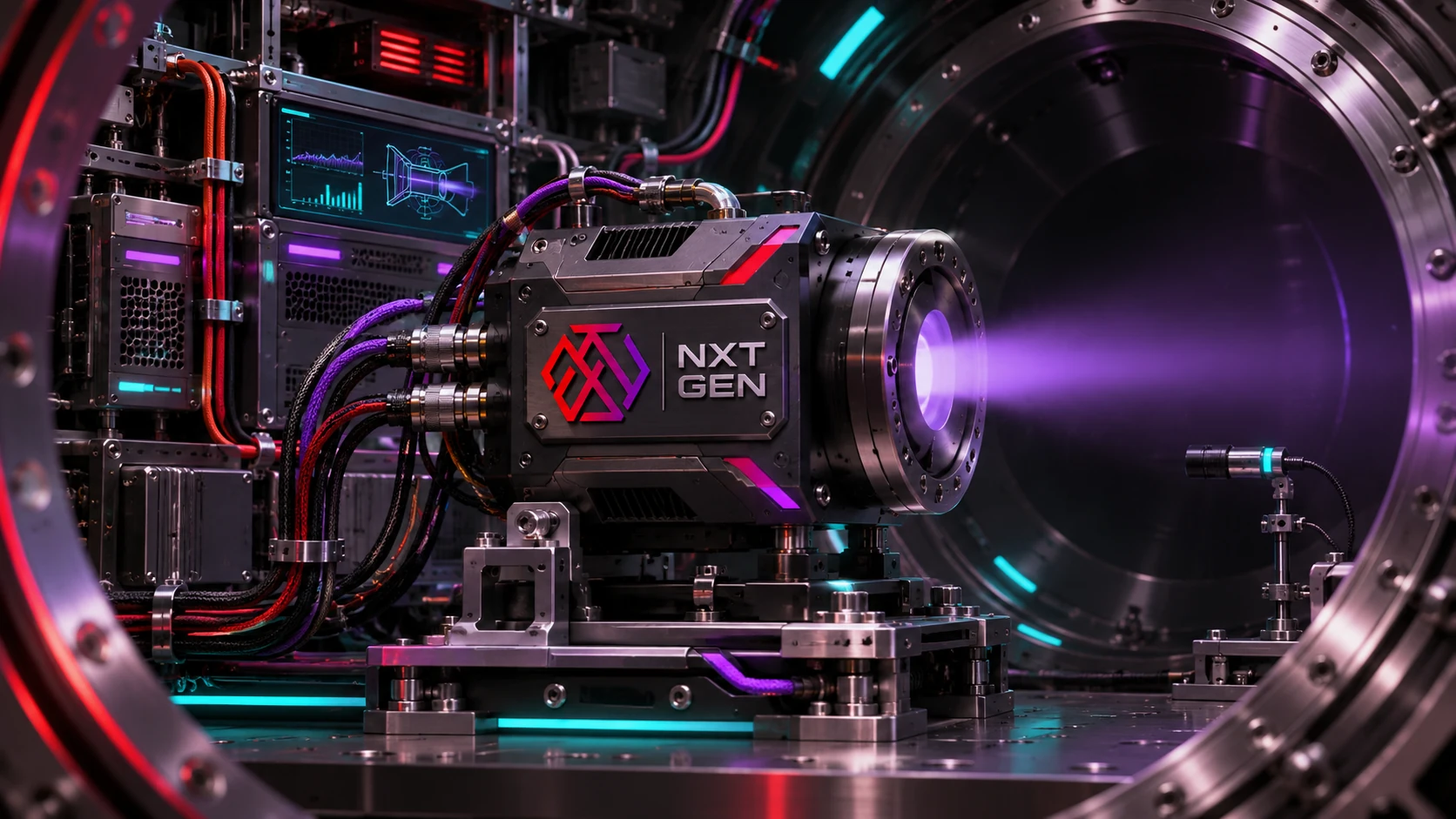
On November 18, NASA announced its Advanced Mid-Power Electric Rocket (AMPERE) Challenge for U.S. companies. It may select two teams to receive up to $250,000 each. The program targets Hall-effect thruster prototypes, which use electric fields to accelerate propellant for efficient, long-duration spacecraft propulsion.
The first deliverable includes a manufacturing plan
The challenge begins with concept designs, manufacturing plans, and cost and performance projections. Selected teams would then develop prototypes with NASA collaboration, followed by testing at NASA Glenn. NASA says participants can gain early access to krypton-propellant technology through no-cost licensing. Selection and eventual flight qualification remain future steps.
Why this power range matters
NASA’s project material identifies a gap in domestic mid-power Hall-thruster supply for commercial and government missions. The November 19 industry-day agenda included modeling, the challenge, and industry input. This places the announcement in a supply and commercialization context, rather than making it a claim of a new flight-ready engine.
Design the evidence trail early
For advanced engineering organizations, the practical lesson is to build a path from a promising test article to repeatable production. Our recommendation is to track interface requirements, material and supplier choices, test conditions, lifetime assumptions, and the cost model together. A strong result in one chamber does not by itself establish consistent performance across a manufactured fleet.